Perception Issues
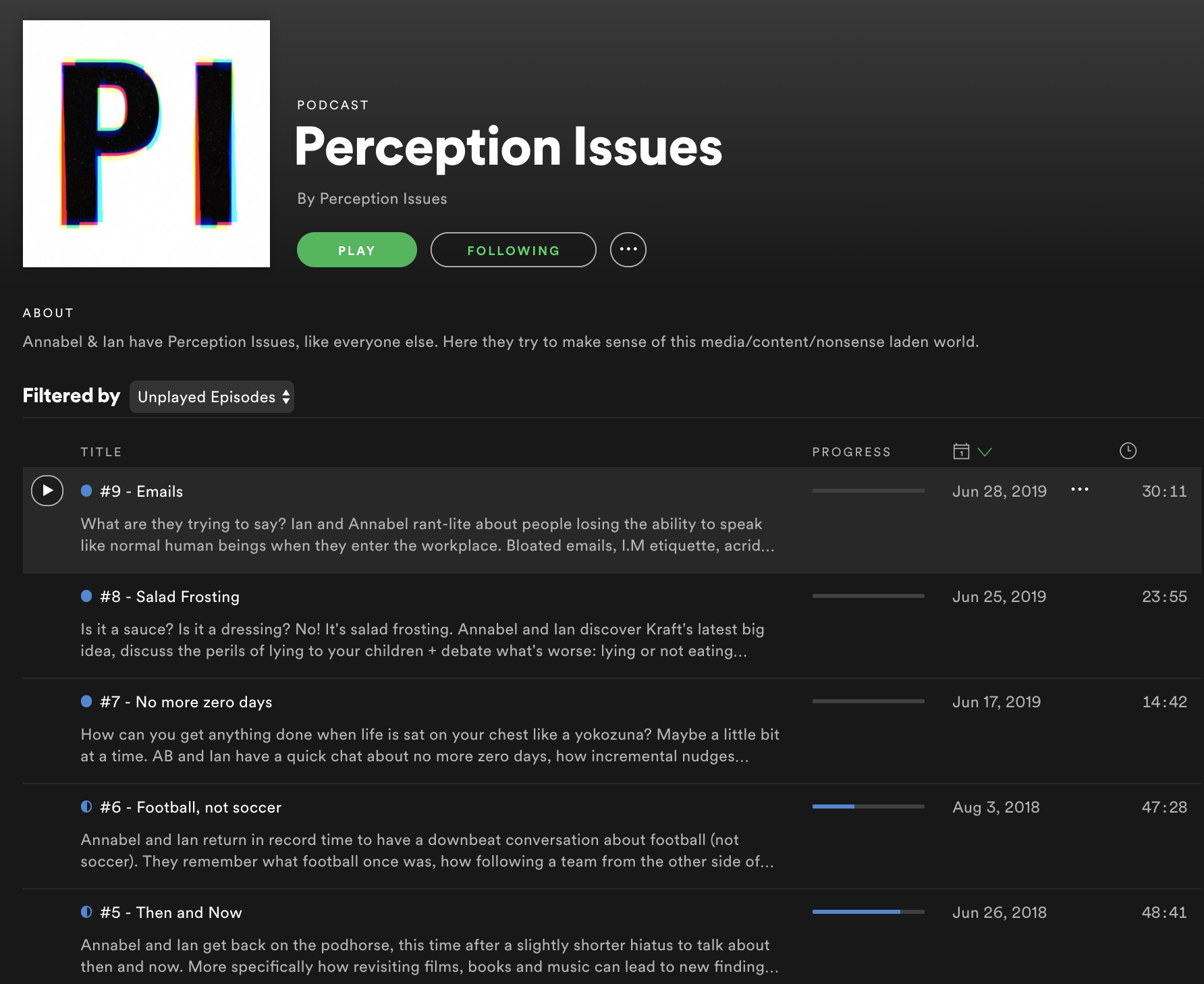
Perception Issues is a nascent and sporadic podcast and blog, of which I am a co-founder and host. It's taken a few different forms and meanings over-the-years and attempts to unravel how we all see the world differently from where we are in time and space.
Identity
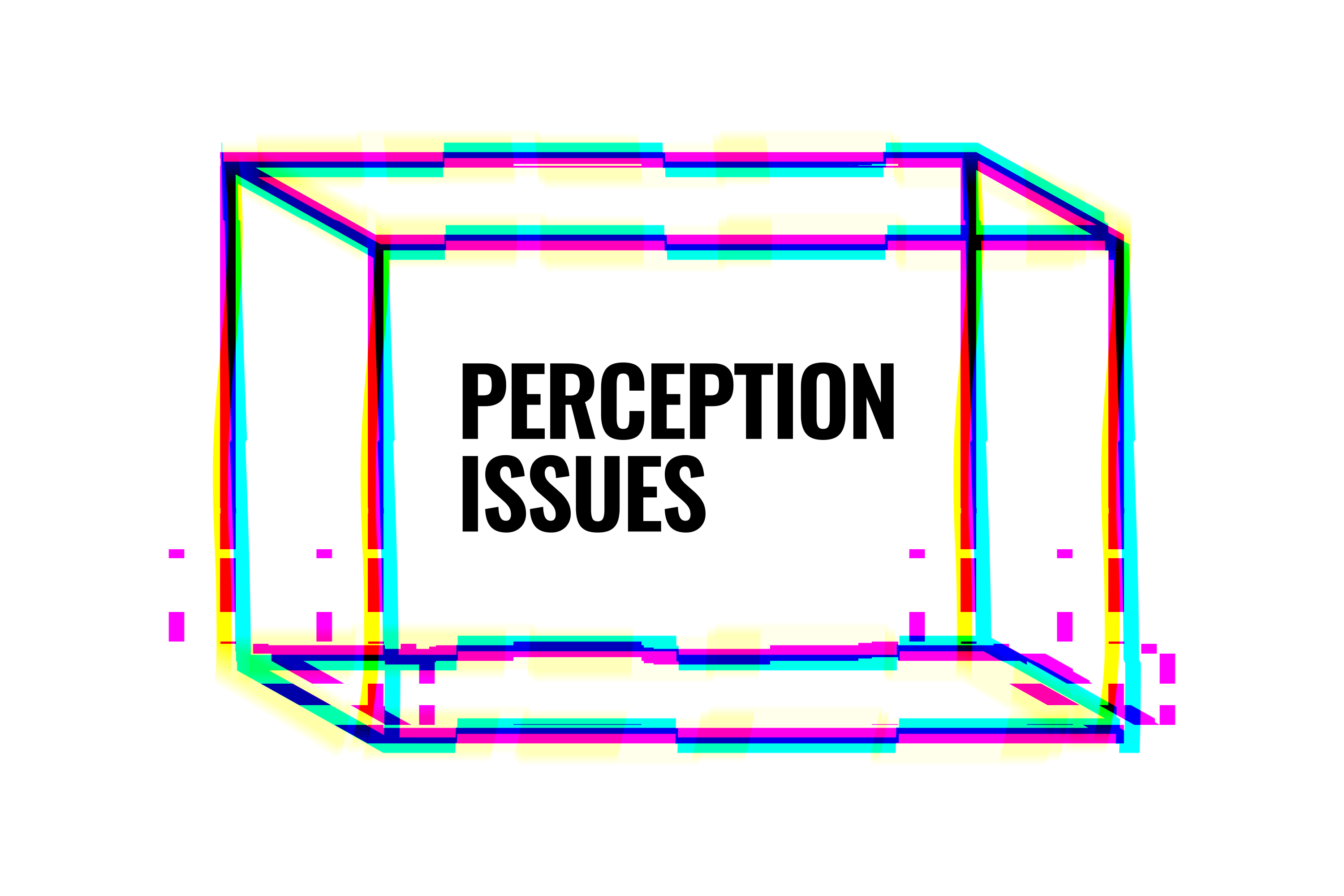
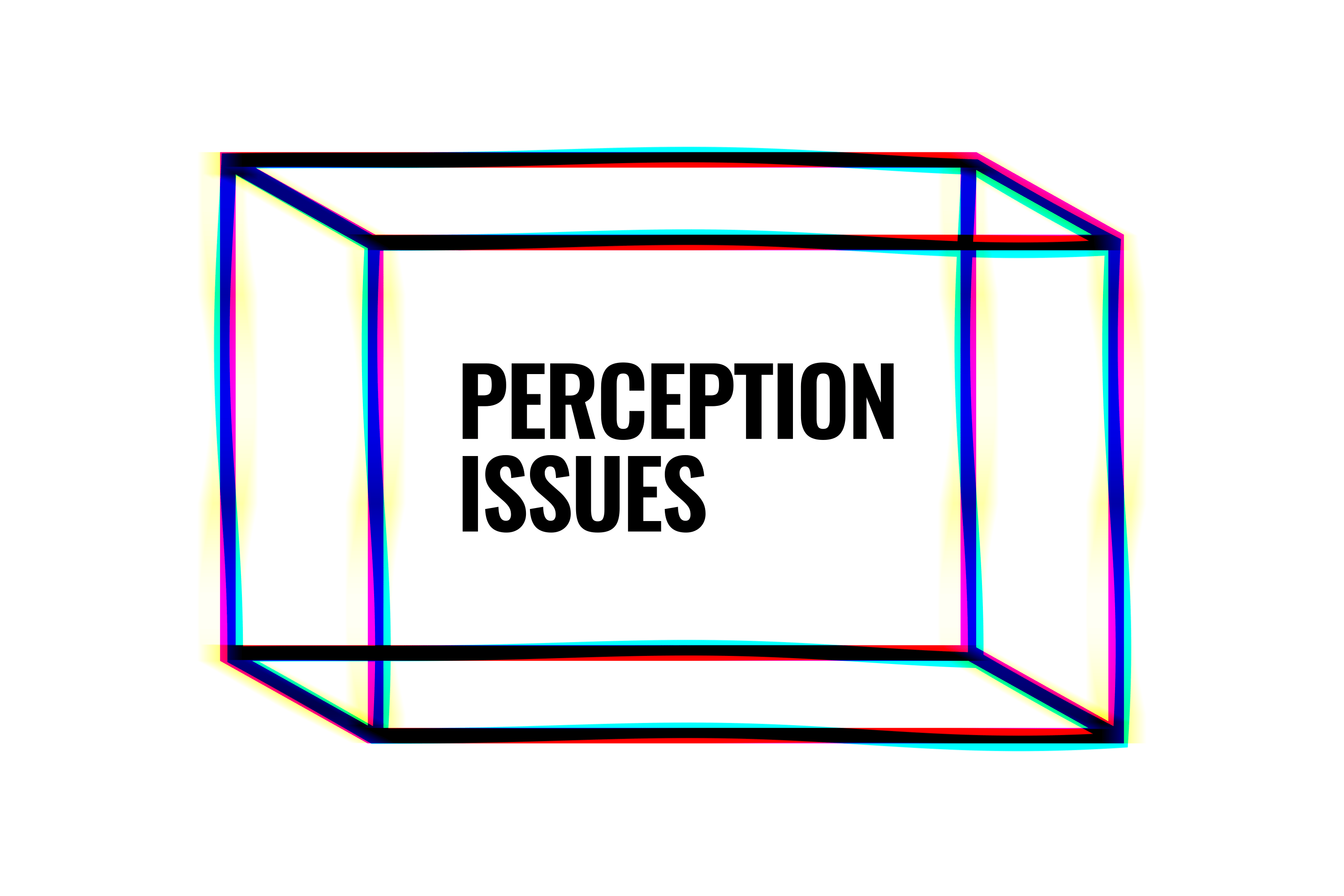
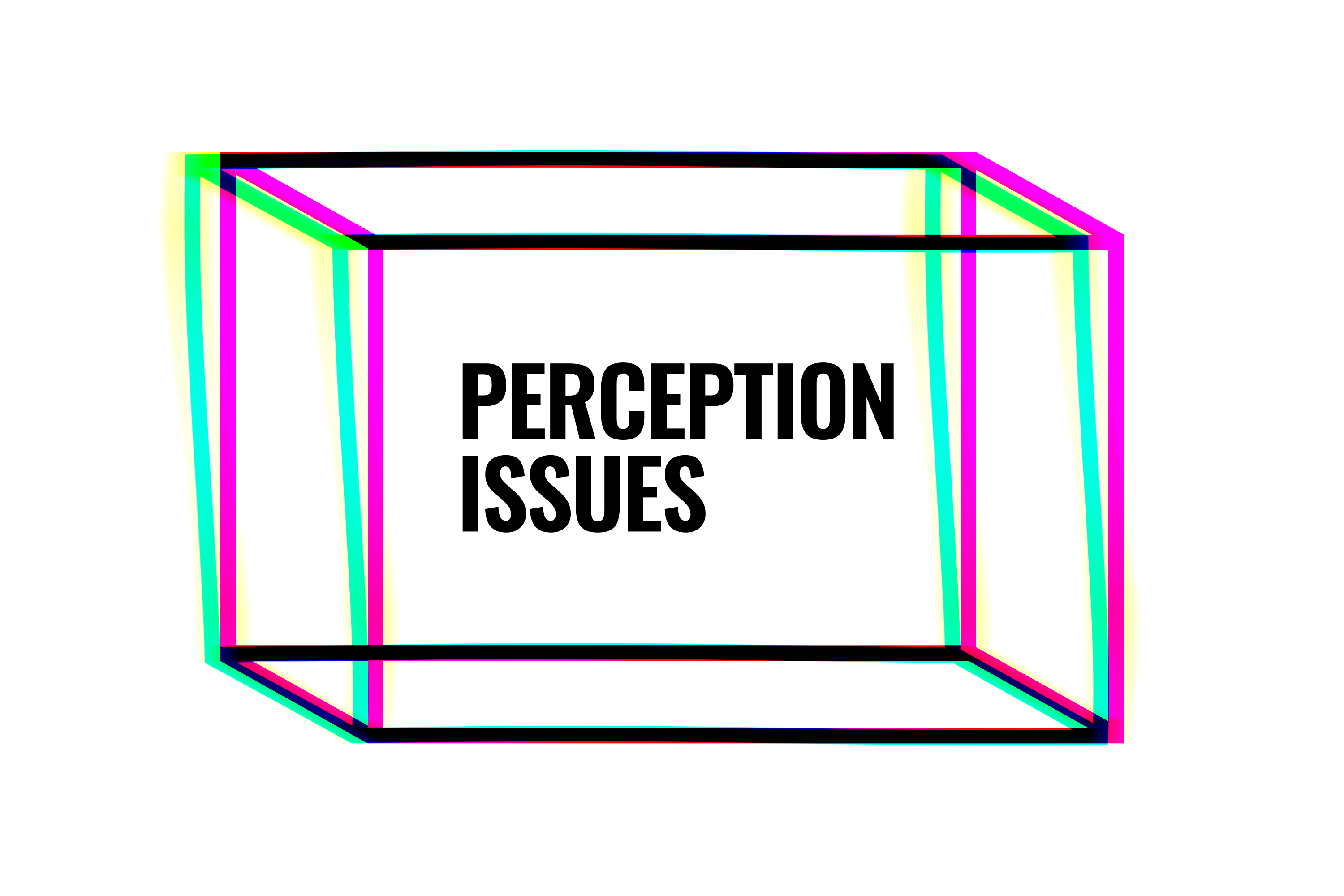
The identity uses a visual perception illusion from the 19th century called a Necker Cube. With no visual cues as to its orientation, it can be interpreted to have either the lower-left or the upper-right rectangle as its front side. I love visual illusions, and this worked in such a simple way. It visually represents how something can be seen differently by other people, which tied in perfectly with what Perception Issues is about.
Visual treatment
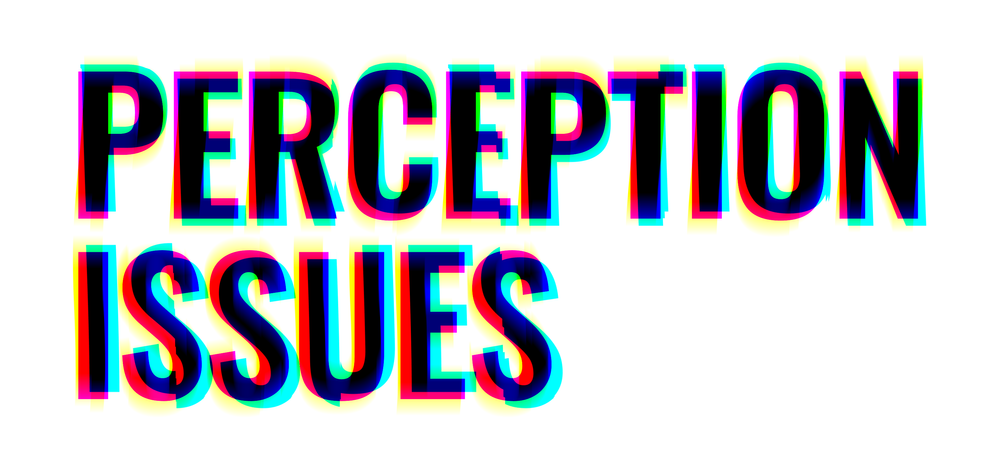
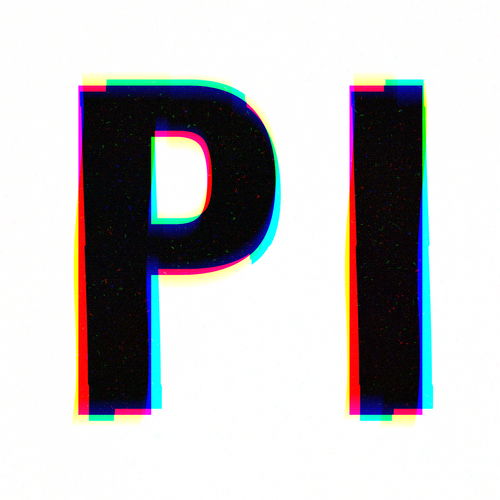
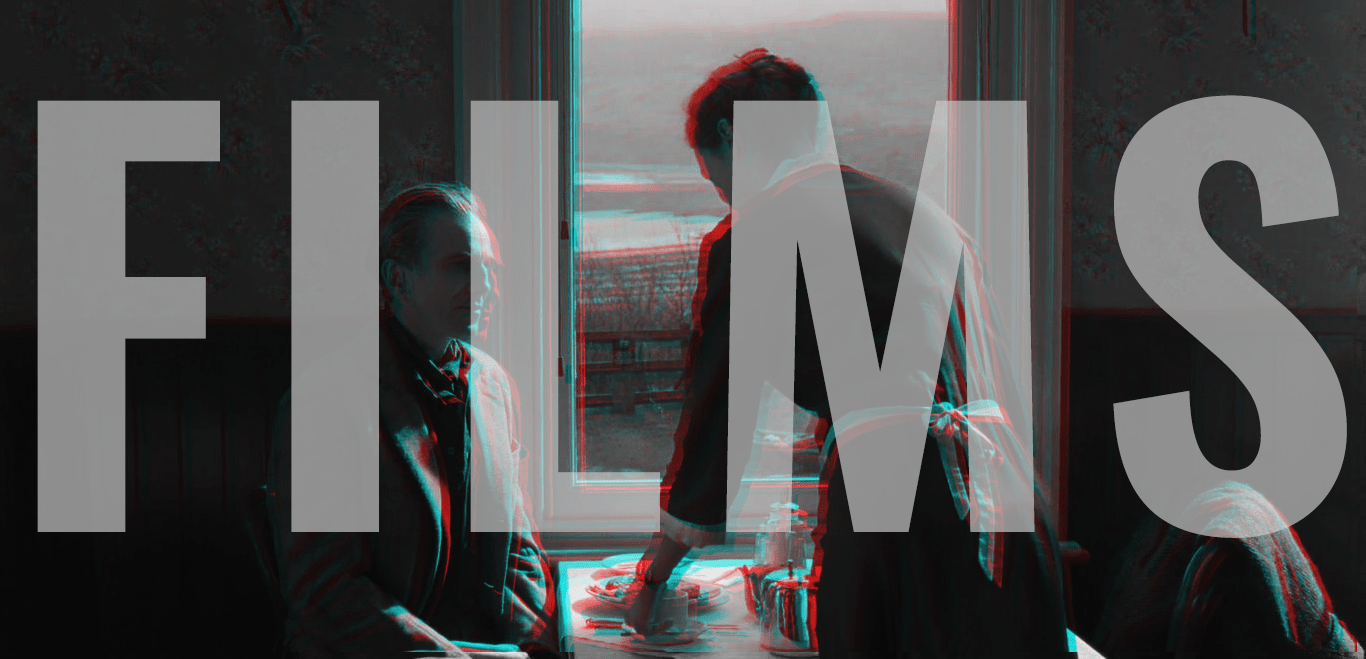
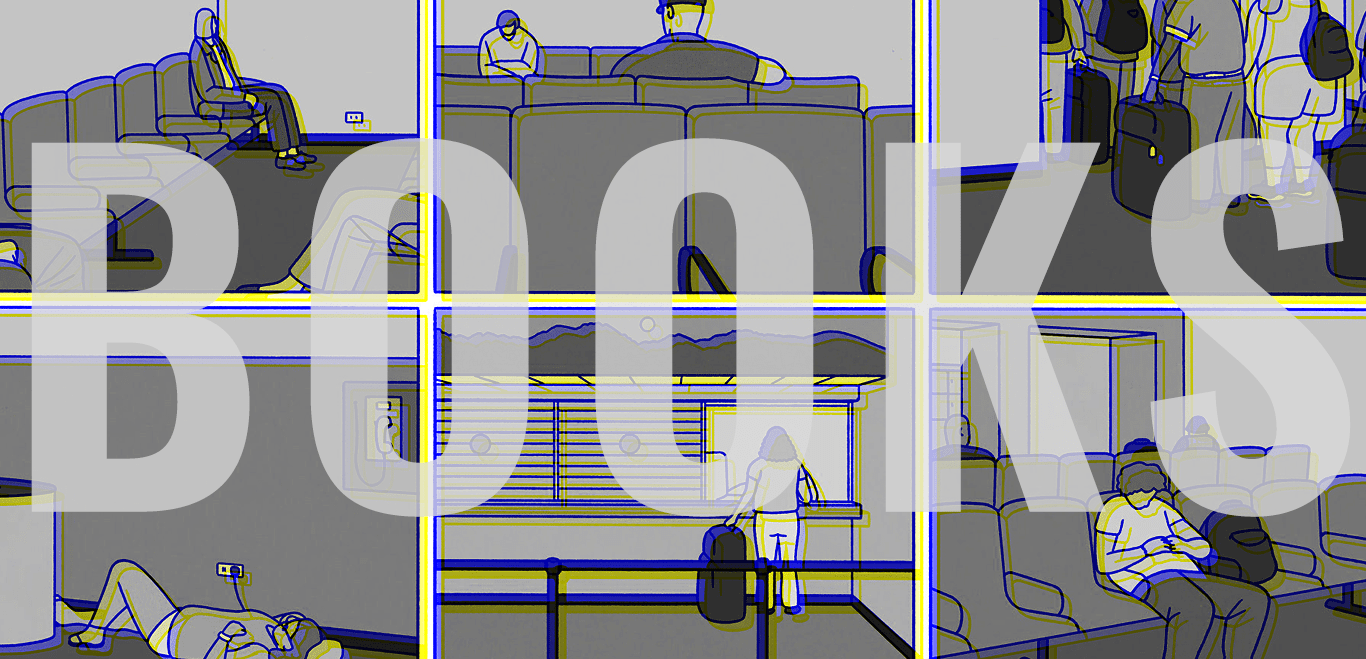
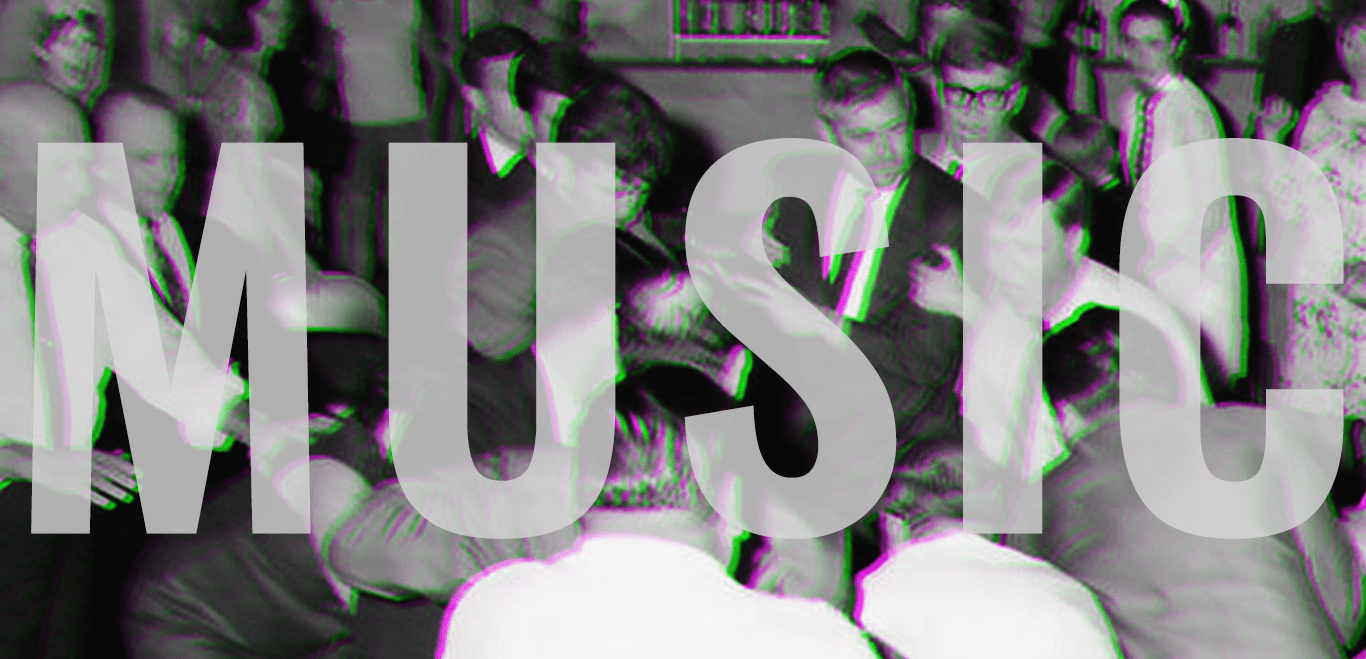
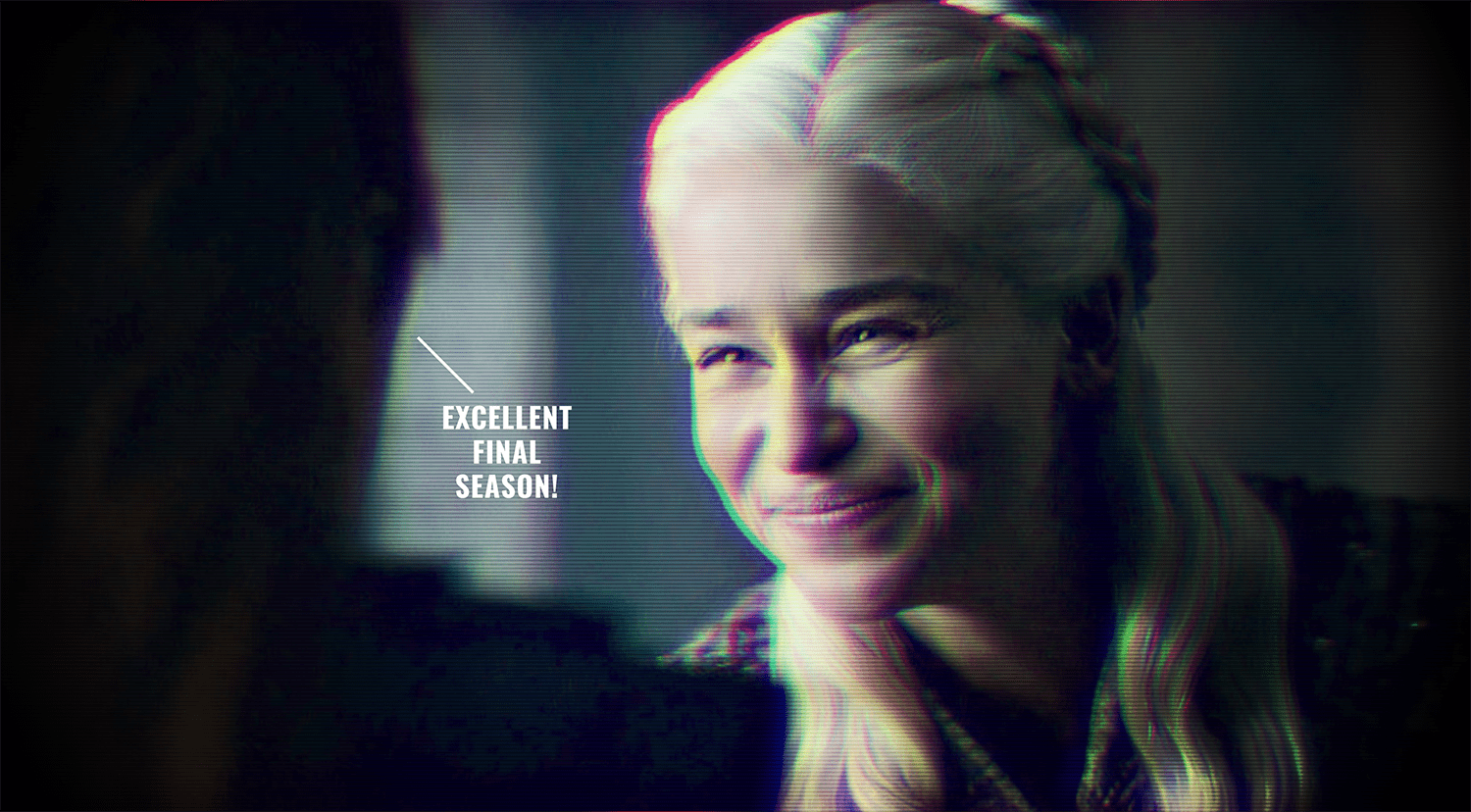
I added a glitch and chromatic aberration treatment to add some colour and randomness to the brand visuals, but also to give us a style we could apply to imagery to make it ours and fit with the brand when appearing on the website.
Generative system
Returning to the project in 2026, I wanted to push the identity further — and found a new way in through AI-assisted design. Rather than a single fixed logo, I built a generative system that produces an almost infinite number of variations of the Necker Cube mark, each one technically the same logo but visually distinct. Colour, texture, blend modes, and fill styles shift across every version. It felt like the right extension of what the project is about: everyone who looks at the cube sees something slightly different, and now every version of the logo reflects that. No two are the same, in the same way no two people perceive the world identically. The generator lives as its own tool, producing variations on demand — for use across the podcast, the blog, and whatever form Perception Issues takes next. You can explore it yourself here.